Phantom Blade Zero map locations and regions
Updated
The main map areas in Phantom Blade Zero are Weeping Creek Valley, Crimson Forest, Village of Lu, Pangzhen, Mandate Encampment, Meigu Lake, Mountain of Imprisonment, and Mount Soulrend. The Phantom Blade Zero Codex map lists these eight main regions, while other maps list some areas differently. Phantom Blade Zero Codex
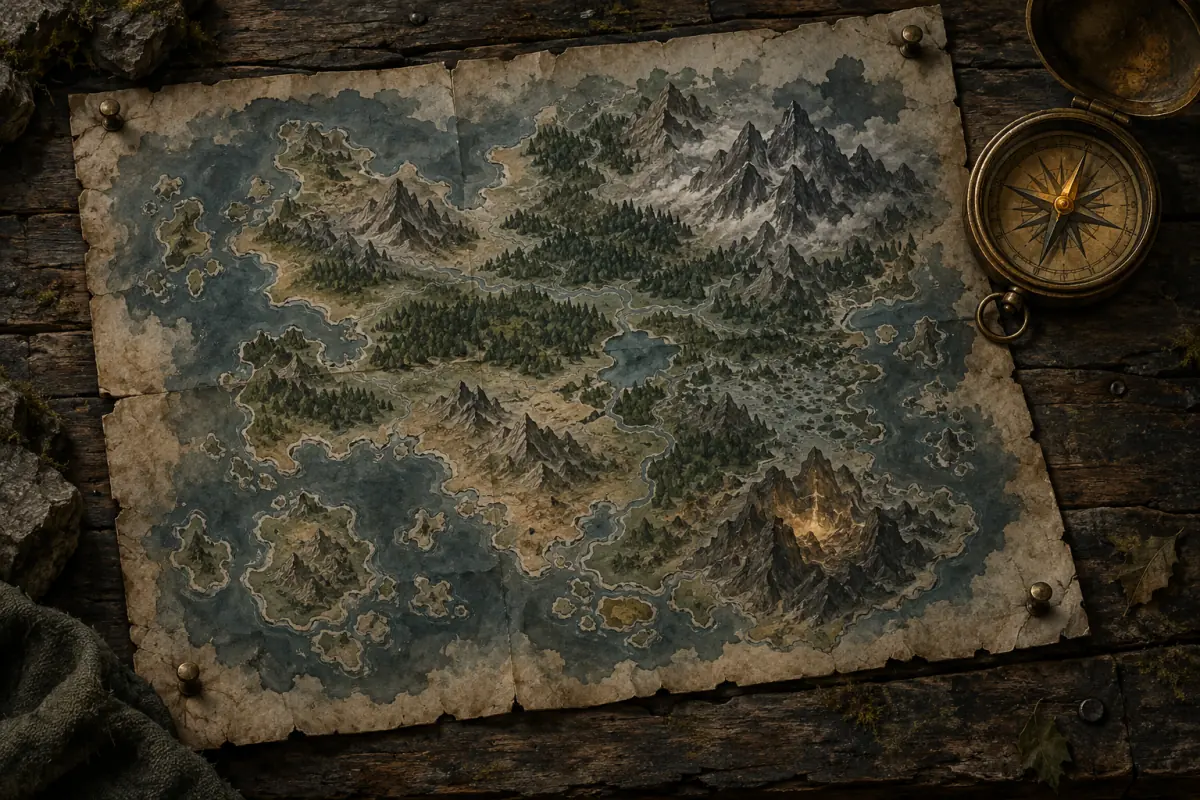
Top 3 things to know about Phantom Blade Zero map locations
Three map sources list between six and nine named locations or regions, depending on which map you use. The Phantom Blade Zero Codex lists eight main regions, and the Fextralife interactive map lists six. Fextralife Interactive Map
The interactive map tracks Bells, quests, bosses, items, collectibles, weapons, accessories, and Phantom Edges. Its areas reveal progressively as players advance through the story and discover Bells.
The Wulin map lists regions and points of interest, including bells, tales, fragments, memory remnants, book pages, and exit points. Bells restore health, let players level up skills, and serve as fast travel points.
All Phantom Blade Zero map locations in the region lists
The table lists ten entries: the eight main regions in the Codex's story order, Mirage Estate, and Crimson Manor. Mirage Estate is a late story area that some maps list separately. Crimson Manor is an optional sub-area that Game8 shows under the Wulin map. The Map listing column shows which sources name each location, so you can see where the lists differ.
| Location or area | Type | Story order or how to reach | Map listing |
|---|---|---|---|
| Weeping Creek Valley | Region | Story order 1; the opening region | Fextralife; Game8 Wulin map; Codex |
| Crimson Forest | Region | Story order 2 | Fextralife; Game8 Wulin map; Codex |
| Village of Lu | Region | Story order 3 | Fextralife; Game8 Wulin map; Codex |
| Pangzhen | Region | Story order 4 | Fextralife; Game8 Wulin map; Codex |
| Mandate Encampment | Region | Story order 5 | Fextralife; Game8 Wulin map; Codex |
| Meigu Lake | Region | Story order 6 | Fextralife; Game8 Wulin map; Codex |
| Mountain of Imprisonment | Region | Story order 7 | Game8 Wulin map; Codex |
| Mount Soulrend | Region | Story order 8 | Codex |
| Mirage Estate | Late story area | Reached through the Green Serpent House in Pangzhen | Codex; some guides group it with Pangzhen |
| Crimson Manor | Optional sub-area | Optional, in Weeping Creek Valley | Game8 Wulin map (Sub-Areas); Codex |
Bells and collectibles by region
The Codex gives a per-region count of bells, Sha-Chi Amber shards, Blackstone shards, and Memory Flowers. It attributes these numbers to PowerPyx and calls them reported totals, so they may change as the game is patched. Mirage Estate has no row because its items are counted in Pangzhen's totals.
Each collectible on these Phantom Blade Zero map locations has its own guide: Memory Flowers, Sha-Chi Amber, and Blackstone. PowerPyx counts 129 Memory Flowers and Game8 counts 130, so check the guide you use before you compare totals.
| Region | Bells | Amber shards | Blackstone shards | Memory Flowers |
|---|---|---|---|---|
| Weeping Creek Valley | 23 | 4 | 4 | 1 |
| Crimson Forest | 19 | 6 | 6 | 18 |
| Village of Lu | 22 | 4 | 4 | 16 |
| Pangzhen | 42 | 12 | 12 | 33 |
| Mandate Encampment | 17 | 4 | 4 | 19 |
| Meigu Lake | 22 | 6 | 6 | 30 |
| Mountain of Imprisonment | 8 | 4 | 4 | 6 |
| Mount Soulrend | 8 | 0 | 0 | 6 |
| Total | 161 | 40 | 40 | 129 |
How the interactive map reveals areas and points of interest
The Fextralife interactive map reveals areas progressively as players advance through the story and discover Bells. That means its view of the world opens over time, alongside a set of markers that covers Bells, quests, bosses, items, collectibles, weapons, accessories, and Phantom Edges. Fextralife Interactive Map
The interactive map gives Phantom Blade Zero map locations a practical layer beyond region names. A player looking for a quest, boss, weapon, or collectible can use the relevant marker category, while Bells connect exploration with recovery, skill growth, and travel as described on the Wulin map. The listed categories span story activity, encounters, equipment, and collectibles, so the map can be read by the kind of target a player wants to find.
- Bells
- Quests
- Bosses
- Items
- Collectibles
- Weapons
- Accessories
- Phantom Edges
What the Wulin map includes
The Game8 Wulin map names seven regions: Weeping Creek Valley, Crimson Forest, Village of Lu, Pangzhen, Mandate Encampment, Meigu Lake, and Mountain of Imprisonment. It also shows one sub-area, Crimson Manor. Its points of interest are bells, tales, amber fragments, Blackstone fragments, memory remnants, book pages, and exit points, as the table below sets out. Game8 Wulin Map
Bells have several stated uses on the Wulin map. They are rest points that restore health, allow players to level up skills, and act as fast travel points. Each role is distinct: a Bell supports recovery, skill leveling, and travel, so its marker is useful to recognize while reading the map.
| Point of interest | Type | What it does | Note |
|---|---|---|---|
| Bells | Rest point | Rest to restore health, level up skills, and fast travel | Touching a bell reveals the map around it (Codex) |
| Tales | Side quest | Can reward new items, lore, and understanding of the Wulin | Two Weeping Creek Valley tales must be started before you leave (Codex) |
| Amber Fragments | Collectible | Form Sha-Chi Amber, which upgrades one set of abilities | Four shards make one Amber, 10 in all (Codex) |
| Blackstone Fragments | Collectible | Form Blackstone, which upgrades a different set of abilities | Four shards make one Blackstone, 10 in all (Codex) |
| Memory Remnants | Collectible | Bundle into Memory Flowers, a key part of a third skill tree | Finishing a Memory Flower set raises maximum health (Codex) |
| Book Pages | Lore item | Reveal history and lore of the Wulin | — |
| Exit Points | Area link | Entry and exit points that lead to a new area | — |
How the map fits the world of Phantom Blade Zero
Phantom Blade Zero is set in the Wulin, where Soul roams while trying to unravel a conspiracy. The Steam store page also describes the Phantom World, Memory Flowers, the Discordance, Transcension, the Lady of the Veil, and Inanis' Dreamscape as features of the game. Steam store page
The map view has a distinct visual framing: the world uses ink-wash maps that reveal more as players explore. That gradual reveal pairs with the interactive map's progressive area discovery, giving players both a world view that opens through exploration and map markers for specific points of interest. PC Gamer The shared idea is gradual discovery: the ink-wash maps reveal more of the world through exploration, and the interactive map reveals areas as story progress and Bell discoveries advance.
Our take on reading Phantom Blade Zero map locations
The clearest way to read Phantom Blade Zero map locations is to treat the region names as a combined index, because individual maps do not show identical lists. The Codex has eight main regions, Game8 presents seven Wulin regions plus one sub-area, and Fextralife names six locations on its interactive map; the overlap is substantial, while Mount Soulrend appears only in the Codex list and Mountain of Imprisonment appears in both the Codex and Game8 lists. Comparing the lists side by side keeps each map's scope visible and makes differences in coverage easier to follow.
Map categories also answer different questions. Region names help orient a route through the Wulin, while the interactive map tracks markers such as weapons and quests, and the Wulin map names objects such as amber fragments and exit points. Bells are especially useful to recognize because their listed roles include restoring health, skill leveling, and fast travel. This gives the map information two practical layers: where a region is named, and which kinds of points or activities a map marks within its view.
Mirage Estate needs to be read with its grouping in mind: the Codex notes that some maps list it separately, while some guides group it with Pangzhen. For a player comparing maps, preserving that distinction avoids treating every variation in labeling as an extra main region. Taken together, the sources describe the Phantom Blade Zero map locations as a world of named regions, progressively revealed areas, and map points tied to exploration.
Frequently asked questions
How many Phantom Blade Zero map locations are there?
The Phantom Blade Zero Codex lists eight main regions. Other maps give different lists: Fextralife names six locations or regions and Game8 names seven, and Mirage Estate is listed separately on some maps.
Which regions appear on the Phantom Blade Zero map?
The eight main regions listed by the Phantom Blade Zero Codex are Weeping Creek Valley, Crimson Forest, Village of Lu, Pangzhen, Mandate Encampment, Meigu Lake, Mountain of Imprisonment, and Mount Soulrend. Game8's Wulin map lists seven regions and leaves out Mount Soulrend and Mirage Estate.
What does the Phantom Blade Zero interactive map track?
The interactive map tracks Bells, quests, bosses, items, collectibles, weapons, accessories, and Phantom Edges. It also reveals areas progressively as players advance through the story and discover Bells. Those categories let a player look for a specific kind of marker, while the region names offer a broader view of the map.
What are Bells used for on the Wulin map?
Bells are rest points that restore health and let players level up skills. They also serve as fast travel points, so their map markers connect recovery, skill growth, and navigation. The Wulin map includes bells among its points of interest, alongside tales, fragments, memory remnants, book pages, and exit points.
What points of interest does the Wulin map show?
The Wulin map includes bells, tales, amber fragments, Blackstone fragments, memory remnants, book pages, and exit points. Those markers sit alongside its named regions, giving the map both area labels and specific exploration targets. Bells also have stated uses for restoring health, leveling skills, and fast travel.
Are there different Phantom Blade Zero map locations lists?
Yes. The Phantom Blade Zero Codex lists eight main regions, while Fextralife lists six locations or regions and Game8 lists seven; Mirage Estate is listed separately on some maps and grouped with Pangzhen in some guides.
Sources
- Interactive Map | Phantom Blade Zero checked 2026-11-01
- Interactive Map and Locations | Phantom Blade Zero (PBZ)|Game8 checked 2026-11-01
- Phantom Blade Zero on Steam checked 2026-11-01
- Phantom Blade Zero Map Guide: All Regions, Bells & Interactive Maps checked 2026-11-01
- Phantom Blade Zero finally shows off its interconnected game world, with exploration 'guided by 8 authentic hand-painted Chinese ink wash maps' checked 2026-11-01